It is the capital of Mon state and one of the major cities in Myanmar known as Maulemein in colonial period, it is the very first place where the British immigrated. As a result, a reasonable number of classic buildings, like those of churches and black wooden houses, still stands and evoked the poetic spirit of Mr. Rudyard Kipling composing “Road to Mandalay”, on the romantic beauty and impressive episodes of the respective town.
At the center of the city area, there is a low ridge called Nagavisa (the land of dragon) and fully covered with religious buildings. Among them, it is located at the highest point and the most popular pagoda. But, a bronze bell bearing curse in English inscription is the most interesting and pagoda platform itself is view point on exceptional beauty.
At the base of the pagoda, there is a wooden monastery erected in finely carved embellishments together with a golden throne representing the exact plan and structures of palace buildings of Mandalay palace and now a century old historic building in situ.
Another visiting point is nothing else but the crowded strand Road, especially in the late evening. Along its course, a series of jetties on the water front and hotels, restaurants, tea shops, shop houses, banks and so on at the city side are full of activities and live pictures.
To the southwest of the town, there is a large island called Belu meaning ogre and recounting the earlier inhabitants of Negritos. It is said that there are about 78 villages on the island and Ywalut is the most popular village for the cottage industries producing golfset, rubber ring, traditional tablet and so on. A vast paddy field and old monasteries would be interesting.
Just a little up river of newly built bridge on Thanlwin (Salween in colonial period) River, there is a much smaller island named Kautpunzlai in Mon language meaning “Shampoo Island”. It is now fully packed with Buddhist monuments, Hindu temple and Chinese joss house.
It is a small town, not so far from Mawlamyine and popular for a sitting Buddha. Apart from other Buddhas, the Buddha is sitting on the throne with hanging down legs, here is only Buddha of its kind. The way is very often bounded with beautiful scenery and orchard farms.
Getting real rich by means of trade on timber and rice, a young man sponsored a vast amount of money for the construction of religious monuments at his native village but it is little known and uncommon site for tourists.
Under the supervision of well disciplined monk and public donation, the world largest reclining Buddha is under erected but other monuments and statues have been completed. Not so far from there, there are two isolated rocky hills; one is defined for Buddhists while the other one is marked as the Hindu worship.
It is a small town and was known for weaving and black smith products in olden days. The big lake of the town is believed to have super natural power and mysterious stories.
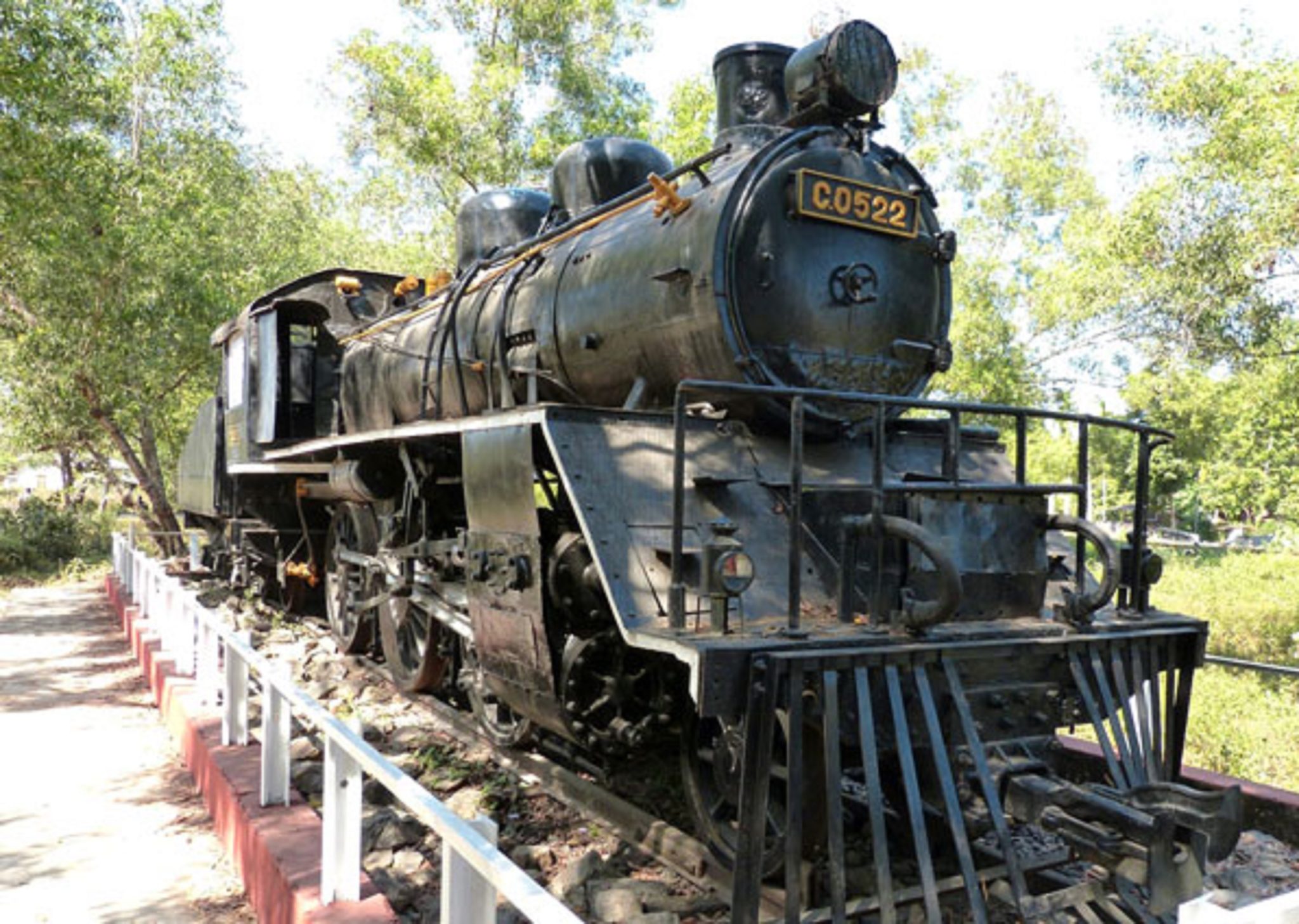
In connection with the historic “The Dead Railway” as “The Bridge on the River Kwai” in film, the small town is very often visited for war cemetery and site museum to commemorate the tragic railway track so internationally built to link Thanbyuzatyat of Myanmar and Thailand via Three pagoda pass in 1942-45 by the forced labor of different ethnic groups as POWs. One of the original camps and bath rooms with natural spa are no more used but still visible.